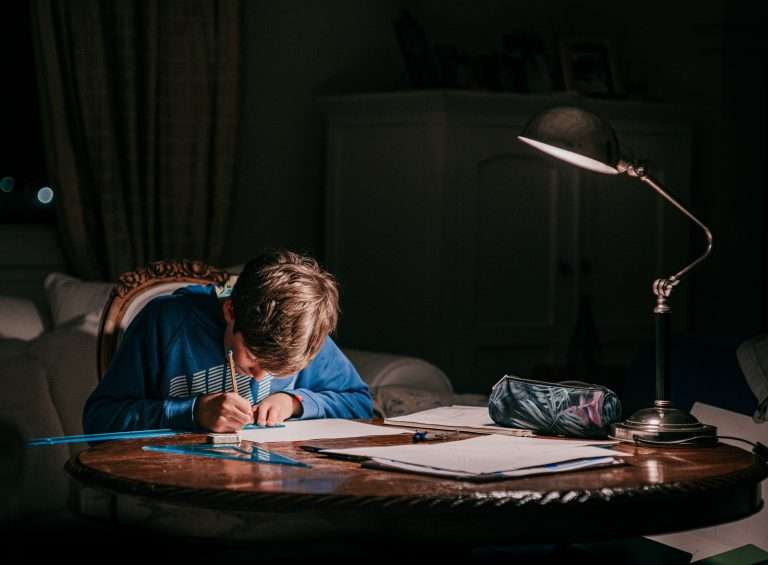
A Guide for Parents
Stealth dyslexia is a term used to describe a form of dyslexia that often goes undetected until later in a child’s academic journey. This is because children with stealth dyslexia usually possess strong verbal abilities and a keen visual memory, which can mask their reading and writing difficulties. While not an official diagnosis, understanding stealth dyslexia can help parents recognize the signs and seek appropriate interventions.
What is Stealth Dyslexia?
Stealth dyslexia refers to cases where the typical signs of dyslexia, such as poor reading and spelling, are not immediately apparent as reading skills develop. Children with stealth dyslexia often excel in areas that require strong verbal skills, such as vocabulary and oral comprehension. They may also rely heavily on their visual memory to remember words and compensate for their reading challenges. This ability to mask their difficulties can lead to delayed identification and intervention, which is why it is termed “stealth” dyslexia.
Signs and Symptoms of Stealth Dyslexia
Recognizing stealth dyslexia can be challenging because these children often perform well in school, especially in the early grades. However, as academic demands increase, their difficulties may become more pronounced. Some common signs include:
- Strong oral vocabulary: Children may have an extensive vocabulary and be articulate speakers.
- Excellent visual memory: They might remember the visual appearance of words but struggle to decode new ones.
- Avoidance of reading aloud: They may avoid reading out loud or read slowly and laboriously when they do.
- Difficulty with spelling: Despite their strong verbal skills, spelling can be inconsistent and problematic.
- Frustration with writing tasks: Writing assignments may take an unusually long time to complete and be of lower quality compared to their verbal abilities.
- Reading comprehension issues: They might struggle with understanding and retaining what they read, especially with longer texts.
Why Stealth Dyslexia Goes Undetected
The primary reason stealth dyslexia often goes undetected is that children with this condition can use their strengths to compensate for their weaknesses. Their strong verbal abilities and visual memory help them to perform at an average or above-average level, masking their underlying reading difficulties. This can lead teachers and parents to overlook potential issues, delaying the diagnosis and intervention that are crucial for addressing dyslexia.
Teachers also tend to dismiss the possibility of dyslexia when the student can perform a skill, even if they do it with great difficulty or not as well as their peers. So students who are good writers, but poor spellers, might be encouraged to “be more careful” about their writing, rather than being taught the spelling lessons they need.
All of this is compounded by myths and misconceptions about dyslexia that abound in education. Teachers associate dyslexia with low intelligence (not true) or think it means letter reversals (not true). They won’t recognize true signs of dyslexia without further education.
The Importance of Early Detection
Early detection of dyslexia, including stealth dyslexia, is essential for effective intervention. The sooner a child receives targeted support, the better their chances of overcoming their reading and writing difficulties. Parents and teachers should be vigilant for signs of dyslexia, even in children who appear to be doing well academically.
Treatment and Intervention Strategies
The treatment for stealth dyslexia is similar to that for other forms of dyslexia. It involves systematic instruction in literacy skills, along with accommodations and compensatory strategies to support the child’s learning. Here are some key components:
- Systematic Literacy Instruction
- Structured Literacy Programs: Literacy approaches and curricula like Orton-Gillingham, Wilson Reading System, and Barton Reading & Spelling System provide explicit, systematic instruction in phonics, spelling, and reading comprehension. These programs are designed to help children understand the structure of language and develop essential literacy skills.
- Extended Time: Providing extra time on tests and assignments can help alleviate the pressure and allow children to demonstrate their true abilities.
- Assistive Technology: Tools like text-to-speech software, audiobooks, and speech-to-text programs can support reading and writing tasks, making them more manageable.
- Alternative Assessment Methods: Allowing children to demonstrate their knowledge through oral reports or projects instead of traditional written tests can help them show what they know without being hindered by their writing difficulties.
- Compensatory Strategies
- Teaching Note-Taking Skills: Helping children develop effective note-taking strategies, such as using graphic organizers or recording lectures, can support their learning. Students with stealth dyslexia
- Encouraging Oral Expression: Providing opportunities for children to express their ideas verbally can build confidence and reinforce their learning.
- Building Executive Function Skills: Teaching organizational and time management skills can help children manage their workload and reduce frustration.
Supporting Your Child at Home
Parents play a crucial role in supporting their child’s learning at home. Here are some strategies to help:
- Create a Structured Learning Environment: Establish a consistent routine for homework and reading practice, providing a quiet, distraction-free space for your child to work.
- Use Technology: Incorporate assistive technology tools to support reading and writing. Programs like Learning Ally and apps such as Voice Dream Reader can be particularly helpful.
- Encourage Reading for Pleasure: Find books that interest your child and encourage reading for enjoyment. This can help build fluency and confidence. Consider non-fiction books and graphic novels to get your child excited about reading.
- Communicate with Teachers: Maintain regular communication with your child’s teachers to stay informed about their progress and any concerns that arise. Collaborate to ensure that accommodations and supports are in place.
Conclusion
Stealth dyslexia, while not an official diagnosis, describes a scenario where dyslexia remains undetected due to compensatory strengths in verbal and visual memory skills. Recognizing the signs and seeking early intervention are crucial for helping children overcome their reading and writing difficulties. With systematic literacy instruction, classroom accommodations, and supportive strategies at home, children with stealth dyslexia can achieve their full potential. By staying informed and proactive, parents can play a vital role in their child’s educational journey, ensuring they receive the support they need to succeed.
For more information and resources on dyslexia and stealth dyslexia, visit our Dyslexia Resource Hub