Parents of struggling students often face unique challenges when it comes to homework, especially writing assignments. Whether it’s a simple book report or a more complex paper, these tasks can become overwhelming. In this guide, we’ll share practical tips to help your child finish their writing homework efficiently and effectively, with less stress.
1. Set Up a Distraction-Free Workspace
Creating an environment conducive to focused work is crucial. Minimize distractions by designating a quiet space for homework. Ensure the area is free from clutter and has all necessary supplies within reach. This setup helps your child concentrate better and reduces the chances of getting sidetracked.
Tips for Creating a Productive Workspace:
- Keep it simple: A clean, organized desk can improve focus.
- Control noise: Use noise-cancelling headphones or play soft background music.
- Comfort matters: Ensure the chair and desk are comfortable and suitable for writing.
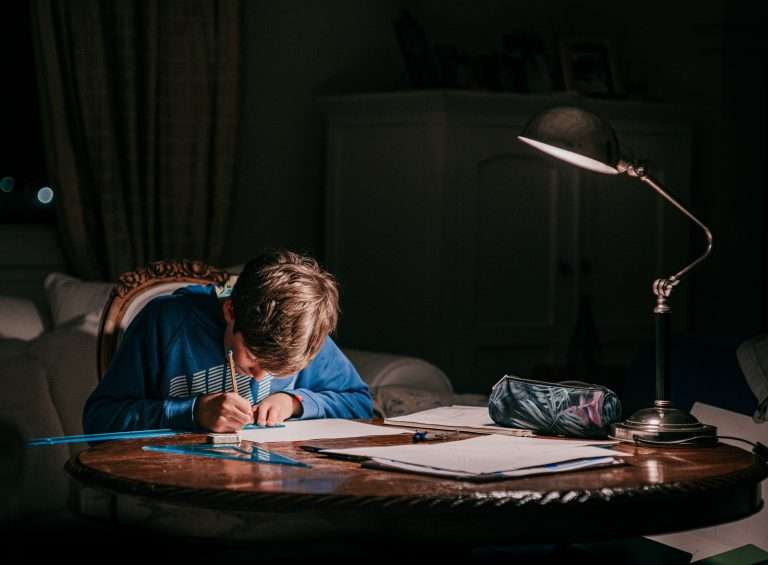
- Lighting: Task lighting like a lamp, as well as good lighting in the room, can make it easier for your child to see their writing assignment. Appropriate lighting can reduce fatigue and eye strain .
2. Break Down the Assignment
Writing tasks can seem daunting, especially for struggling students. Breaking down the assignment into smaller, manageable steps can make the process less intimidating.
Steps to Simplify Writing Assignments:
- Understand the prompt: Discuss the assignment to ensure your child understands what’s required.
- List the steps: Help your child list each part of the assignment. Everything from “Choose a topic” to “Spell check.”
- Create an outline: Help your child outline their ideas before starting the actual writing.
- Set mini-deadlines: Assign deadlines for each section to keep the task on track.
3. Use Visual Aids and Organizers
Graphic organizers can be incredibly helpful for students who struggle with writing. Tools like mind maps, flow charts, and Venn diagrams help organize thoughts visually, making it easier to structure the writing. The SRSD (Self-Regulated Strategy Development) approach to teaching writing helps students learn to create or use these tools independently.
4. Encourage the Use of Technology
Technology can be a powerful ally for students with dyslexia or writing difficulties. There are many tools designed to assist with writing and organization.
Helpful Technological Tools:
- Speech-to-text software: Allows your child to dictate their ideas instead of typing.
- Grammar and spell checkers: Tools like Grammarly can help catch errors and suggest improvements.
- Writing apps: Applications like Scrivener or Google Docs offer features that can aid in the writing process.
Not sure how to implement these steps? Check out my mini-course, The Academic Writing Lifeline for Parents so you can help to set your child up for writing success.

5. Practice Regularly with Timed Writing
Frequent, timed writing sessions can help improve your child’s writing speed and confidence. Start with short, manageable time periods and gradually increase as your child becomes more comfortable.
Implementing Timed Writing:
- Set a timer: Begin with 10-15 minute sessions focusing on free writing or specific topics.
- Get writing: The object of this exercise is to write as many words on the topic as you can. Ideally, your pen is moving the whole time. If you don’t have facts, write questions or related words. If you don’t have character names, call them X, Y and Z. Don’t think, just write.
- Gradually increase: Extend the time as your child builds endurance.
- Reflect and review: Discuss what went well and areas for improvement after each session. Highlight or transcribe ideas worth keeping.
- Write with them: By sitting side by side and writing with your child, you can encourage and support them without pressuring them. If you don’t know anything about their writing topic, you write a different one. The important thing is that you are nearby and writing, too.
6. Offer Constructive Feedback
Providing constructive feedback can help your child learn and grow from their writing experiences. Focus on specific areas for improvement and acknowledge their efforts and progress.
How to Give Effective Feedback:
- Be specific: Highlight particular strengths and areas that need work.
- Stay positive: Always start with positive feedback before suggesting improvements.
- Be clear: Offer clear, actionable advice on how to improve.
7. Seek Professional Support When Needed
If your child continues to struggle despite your best efforts, consider seeking help from a professional. An Orton-Gillingham tutor can provide specialized instruction tailored to your child’s needs, particularly for dyslexic students.
Finding Professional Help:
- Look for certified tutors: Ensure they have experience with dyslexia and writing difficulties. People with this experience are often English or special education teachers, but not always.
- Explore local options: Search for local writing tutors online, check local social media, or physical bulletin boards in your neighborhood. Many tutors I know do not advertise their services because they stay pretty busy through word-of-mouth referrals. Ask other parents or local teachers for recommendations.
- Use online resources: Online tutoring can also be a flexible and effective option.
Conclusion
Helping your child complete a writing assignment efficiently requires a combination of strategies. From setting up a distraction-free workspace to utilizing technology and seeking professional help, there are many ways to support your child’s writing progress. By implementing these tips, you can make writing homework less time-consuming and more manageable, leading to better outcomes and less stress for both you and your child.
And when the writing is done, make sure your child leaves some time to revise and edit. Grab my FREE revising and editing checklists below.